


What a Propped-Open Walk-In Costs You Across 200 Locations
At one store, a cooler door left open for twenty minutes is nothing. Nobody notices. The compressor works a little harder, the temperature recovers, the shift moves on.
Run that same twenty minutes across 200 locations, a few times a week, and it stops being nothing. It becomes a recurring line item nobody is tracking, because the cost hides in two places that never get added together: the energy bill and the spoilage log.
Why a single open door is invisible and a fleet of them is not
A walk-in holds temperature by fighting the heat that leaks in. Open the door and warm, humid air pours across the threshold. The compressor ramps to pull the box back down, and on a hot day it can run a long time to recover. Leave the door open often enough and the system never fully catches up between openings.
At one location, that extra runtime disappears into the noise of a monthly bill. Multiply it across a fleet and the pattern emerges. Refrigeration is up to 60 percent of a c-store's energy use and the single largest controllable load in a typical QSR. A behavior that quietly inflates refrigeration runtime is inflating your biggest controllable cost, everywhere, at once.
Then there is the product. Every excursion above safe holding temperature shortens shelf life and pushes inventory toward the point where it has to be thrown out. A door issue does not just cost energy. It costs the food behind the door.
The reason it keeps happening
Open doors are rarely negligence. They are operations. A crew restocking during a rush props the door because it is faster. A gasket wears out and the door stops sealing on its own. A latch fails and nobody files a ticket because the box still feels cold.
None of those show up on a schedule. They show up as a slow, untracked drag on energy and inventory that a manager standing in one store has no way to see across the other 199.
What detection changes
The fix is not lecturing crews about doors. It is knowing, in real time, which doors are actually open and for how long, so the exception gets handled instead of living in the blind spot.
A door sensor reports the state of the door, not just the temperature inside the box. That distinction matters. Temperature alone tells you the box got warm after the fact. Door state tells you why, and tells you while it is still happening. An open-door alert during the event lets a manager close it in minutes instead of discovering the warm box on the next walk-through.
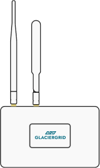
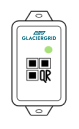
GlacierGrid's door sensor is a sellable, integrated part of the platform, so door state sits alongside temperature and runtime in the same view your team already uses. An open door becomes an alert in the moment rather than a warm box discovered later. At 10 dollars a month per sensor, the math is not close. One sensor costs less per month than a single bag of product you throw out after one bad night, and it watches the door every shift, every location.
What to do with it
If open doors are draining your fleet, a few practical moves:
- Treat the worst-offending locations as a data question, not a discipline question. Find where doors stay open longest and look at why before you talk to anyone.
- Tie door-open duration to a fast alert so an exception gets closed during the shift, not discovered the next morning.
- Fold gasket and latch checks into your existing refrigeration rounds, since a door that will not seal is a hardware fix, not a behavior one.
A cooler door is the cheapest part of your refrigeration system and one of the most expensive when it fails to close. Across 200 locations, the difference between seeing those doors and not seeing them is real money on the two lines that hurt most.
A free 90-day GlacierGrid pilot will show you which doors are costing you, and how often.